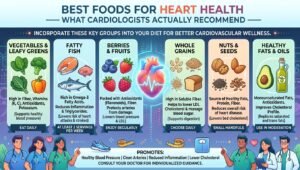
Your immune system is working 24/7 to protect you — but honestly, most people don’t give it the attention it deserves until they’re already sick. If you want to boost your immune system naturally, you don’t need expensive supplements or complicated routines. Real, science-backed habits can make a huge difference. Let’s walk through everything you need to know.
Why Your Immune System Needs Your Help
Think of your immune system like a security team. When it’s well-rested, well-fed, and not under constant stress, it does its job brilliantly. But when you’re skipping sleep, eating junk, and staying glued to screens all day — that security team starts slacking.
According to the Harvard T.H. Chan School of Public Health, lifestyle factors like diet, exercise, sleep, and stress management play a direct role in immune function. This isn’t theory — it’s documented, peer-reviewed science.
So you can absolutely strengthen your immune response. And you don’t need to overhaul your entire life overnight.
1. Prioritize Sleep — It’s Not Optional
Let me be real with you: sleep is probably the single most underrated immune booster out there.
During sleep, your body produces cytokines — proteins that help fight infections and inflammation. A 2015 study published in Sleep journal found that people who slept fewer than 6 hours a night were four times more likely to catch a cold compared to those who slept 7 or more hours (Source: NCBI).
Adults need 7–9 hours. Teenagers need 8–10. If you’re pulling consistent 5-hour nights and wondering why you keep getting sick, well — there’s your answer.
Quick tips for better sleep:
- Stick to a consistent bedtime, even on weekends
- Keep your room cool and dark
- Avoid screens at least 30 minutes before bed
- Cut caffeine after 2 PM
2. Eat Foods That Actually Support Immunity
You don’t need a superfood list that costs a fortune. Some of the most powerful immune-supporting foods are simple and affordable.
Vitamin C-Rich Foods
Vitamin C supports the production of white blood cells — your body’s frontline defenders. You’ll find it in:
- Bell peppers (yes, more than oranges)
- Citrus fruits
- Broccoli
- Strawberries
- Kiwi
Zinc Sources
Zinc helps immune cells develop and communicate. Good sources include red meat, shellfish, legumes, seeds, and nuts. Zinc deficiency is surprisingly common, especially in older adults.
Fermented Foods for Gut Health
Here’s something most people overlook — around 70% of your immune system lives in your gut (Cleveland Clinic). Eating fermented foods like yogurt, kefir, kimchi, and sauerkraut helps maintain a healthy gut microbiome, which directly supports immune function.
| Food | Key Nutrient | Immune Benefit |
|---|---|---|
| Bell Peppers | Vitamin C | White blood cell production |
| Spinach | Vitamin E, Folate | Antioxidant protection |
| Yogurt (plain) | Probiotics | Gut microbiome balance |
| Almonds | Vitamin E | Cell membrane protection |
| Garlic | Allicin | Antimicrobial properties |
| Ginger | Gingerol | Anti-inflammatory support |
| Turmeric | Curcumin | Immune modulation |
3. Exercise Regularly — But Don’t Overdo It
Moderate exercise is genuinely one of the best things you can do for immunity. It improves circulation, reduces inflammation, and helps immune cells move through the body more efficiently.
But here’s the catch — extreme, prolonged exercise (like marathon training without proper recovery) can actually suppress immune function temporarily. It’s called the “open window” theory, and it’s well-documented in sports medicine literature.
What works best:
- 30 minutes of brisk walking, 5 days a week
- Cycling, swimming, or light jogging
- Yoga or tai chi (also reduces stress — double win)
The World Health Organization recommends at least 150 minutes of moderate aerobic activity per week for adults. That’s very doable.
4. Manage Stress — Chronic Stress Destroys Immunity
Stress isn’t just “in your head.” Chronic stress triggers the release of cortisol, which over time suppresses the immune system. It literally reduces your body’s ability to fight off pathogens.
A landmark study by psychologists Sheldon Cohen and colleagues showed that people under chronic psychological stress were significantly more vulnerable to upper respiratory infections (Carnegie Mellon University).
Practical stress management strategies:
- Deep breathing exercises (box breathing, 4-7-8 method)
- Mindfulness meditation — even 10 minutes daily helps
- Journaling
- Spending time in nature
- Social connection — don’t underestimate this one
5. Stay Hydrated
Water helps carry oxygen to your cells and flushes out toxins. Your lymphatic system — a major part of your immune network — relies on adequate hydration to function properly.
Most adults need around 2–3 liters of water per day, though this varies based on body size, climate, and activity level.
Honestly, if you’re not drinking enough water, nothing else you do is working at full capacity.
6. Get Enough Vitamin D
Vitamin D is sometimes called the “sunshine vitamin,” and for good reason — your body synthesizes it when your skin is exposed to sunlight. It plays a critical role in activating immune defenses.
Studies show that vitamin D deficiency is linked to increased susceptibility to infection. A 2017 meta-analysis in BMJ found that vitamin D supplementation reduced the risk of acute respiratory infections (BMJ Source).
If you live in a low-sunlight region, getting enough through food (fatty fish, egg yolks, fortified milk) or supplementation is worth discussing with your doctor.
7. Avoid Smoking and Limit Alcohol
Smoking damages the respiratory tract’s lining — your first barrier against airborne pathogens. It also reduces the effectiveness of immune cells.
Alcohol, especially in excess, disrupts the gut microbiome and impairs the production of immune cells. Even moderate drinking can affect sleep quality, which loops back to everything we talked about earlier.
This isn’t about being perfect. But reducing both significantly does support better immune health.
Pros and Cons of Natural Immune Boosting
| Pros | Cons |
|---|---|
| No side effects (when done correctly) | Requires consistent effort and lifestyle change |
| Affordable and accessible | Results aren’t always immediate |
| Improves overall health, not just immunity | Can be overwhelming if you try to change everything at once |
| Sustainable long-term | Individual response may vary |
Common Myths About Immune Boosting
Myth 1: “Taking mega-doses of Vitamin C prevents all sickness.”
Not quite. While Vitamin C supports immune function, excessive doses (above 2,000 mg/day) can cause digestive issues. More isn’t always better.
Myth 2: “Cold weather causes colds.”
No — viruses cause colds. Cold weather keeps people indoors in close contact, which increases transmission. That’s the real link.
Myth 3: “You need expensive supplements to have strong immunity.”
Mostly false. A balanced diet covers most of what you need.
FAQs: Boosting Immune System Naturally
Q1: How long does it take to see results after making lifestyle changes?
It depends on where you’re starting from. Sleep improvements can show benefits within days. Diet and exercise changes typically take 4–8 weeks before you notice a meaningful difference in how often you get sick.
Q2: Can children follow the same immune-boosting strategies?
Yes, with appropriate adjustments. Sleep needs are higher for children, portion sizes differ, and any supplementation should be discussed with a pediatrician.
Q3: Is it possible to over-boost your immune system?
Technically yes — an overactive immune system is linked to autoimmune conditions. The goal is a balanced, well-regulated immune response, not the most aggressive one possible.
Q4: Do probiotics actually work for immunity?
Research supports the role of probiotics in gut health, and gut health is directly tied to immune function. Strains like Lactobacillus and Bifidobacterium have the strongest evidence base.
Q5: What’s the single most important thing I can do starting today?
Fix your sleep first. It’s the foundation everything else builds on.
Final Thoughts
Boosting your immune system naturally isn’t about one miracle fix. It’s about stacking good habits — consistent sleep, whole foods, movement, stress management, and hydration. You can start small. Pick one habit this week and build from there.
Your immune system responds to how you treat your body. Treat it well, and it’ll return the favor.

Emma Sofia is the founder and writer of Insure Judge. She is passionate about explaining insurance topics in a simple and easy way. Her goal is to help readers make smart and confident decisions about insurance through clear, honest, and well-researched content.